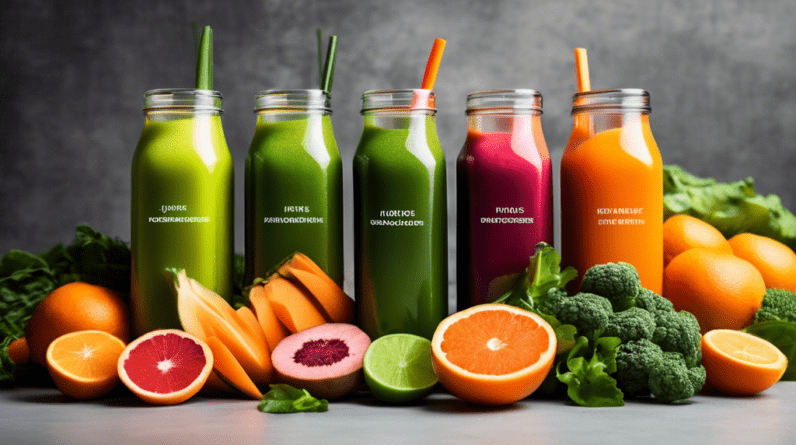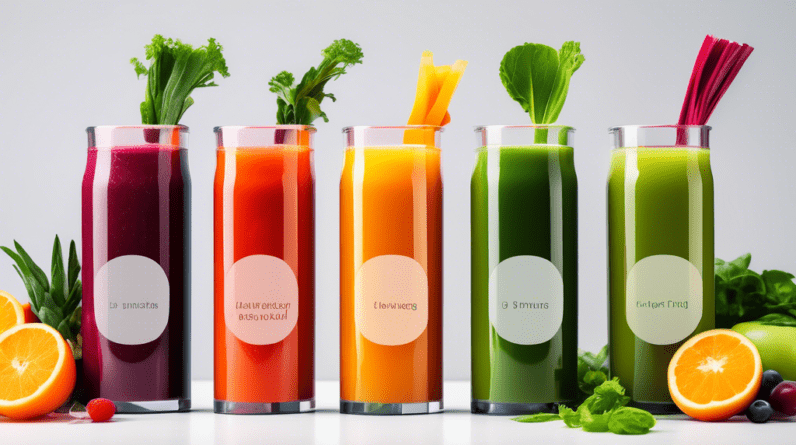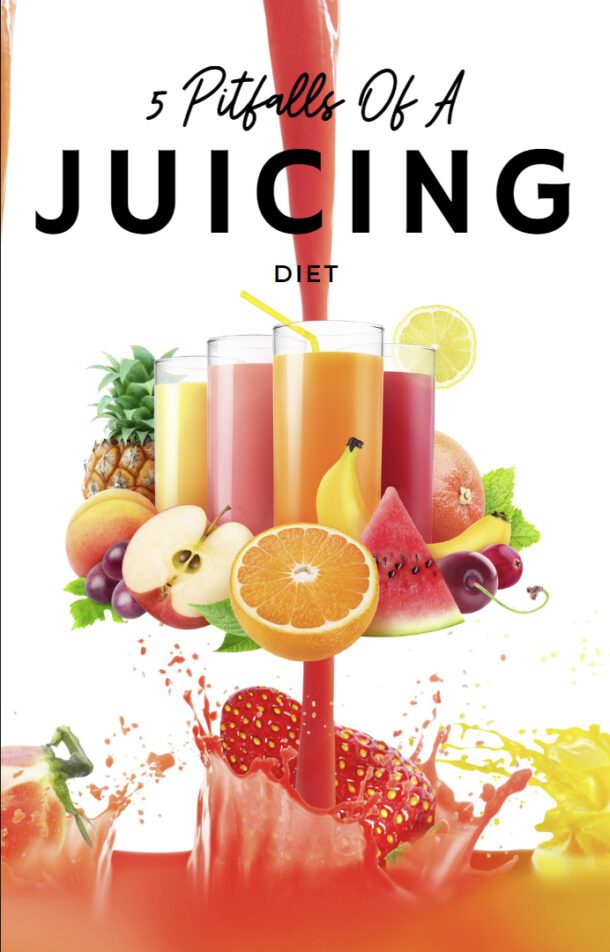
A January 2025 study published in Nutrients found that a three-day juice-only cleanse significantly increased inflammation-related bacteria in participants' oral and gut microbiomes — raising important questions about whether juice cleanses deliver the health benefits often claimed.
What the Study Found
Researchers examined three groups: participants who followed a strict juice-only cleanse, those who supplemented juice with whole foods, and those eating a whole-food plant-based diet. The juice-only group showed the most pronounced increase in bacteria associated with inflammation. Participants who included whole foods alongside their juice showed less dramatic microbiome shifts, while the whole-food plant-based group actually saw an increase in beneficial bacteria.
The study was published in Nutrients (MDPI) in January 2025. Full text: PMC / PubMed — Nutrients 2025, 17(1), 203.
Why Fiber Matters
The likely mechanism is straightforward: juice removes fiber. Fiber feeds beneficial gut bacteria that produce anti-inflammatory short-chain fatty acids. Without it, bacteria that thrive on simple sugars — and that are linked to inflammation — have room to proliferate. High-sugar juice provides exactly the fuel those bacteria prefer.
This is consistent with what we already know about dietary fiber and gut health. The juicing process extracts the liquid and discards the pulp — and the pulp is where most of the fiber lives. If you want to preserve fiber, a blended smoothie is a better choice than juice. See our Juicing Tools page for a Juice Nutrition Analyzer that can help you compare the nutritional profiles of different approaches.
What This Means for Juicers
This study doesn't mean juice is harmful or should be avoided. It means juice cleanses — particularly strict juice-only regimens lasting multiple days — carry a specific risk that is rarely disclosed in the marketing: a short-term negative shift in gut microbiome composition.
The practical takeaway:
- Use juice to supplement your diet, not replace meals entirely
- If doing a cleanse, include whole foods alongside juice to preserve fiber intake
- Consider keeping juice cleanses to 1–2 days rather than multi-day strict protocols
- For ongoing juicing, focus on vegetable-forward recipes with lower sugar content
For beginners looking to start juicing safely, see How to Begin Juicing: A Practical Guide — it covers realistic expectations and smart starting points.
The Balanced View
Juicing, done sensibly, delivers genuine nutritional benefits: concentrated micronutrients, antioxidants, and hydration. The problem is the cleanse framing — the idea that several days of juice-only eating will "detox" the body or produce lasting health transformation. This study adds to a growing body of evidence that the cleanse model specifically may be counterproductive.
As always, the research supports moderation and whole-food integration over extreme dietary protocols. A daily green juice as part of a balanced diet looks very different — and much healthier — than a 72-hour juice-only fast.
Source
Reported by Laura Bennett, Content Editor — Last reviewed: May 2026